
Copper Stocks in 2026: Who Benefits from Grid Investment?
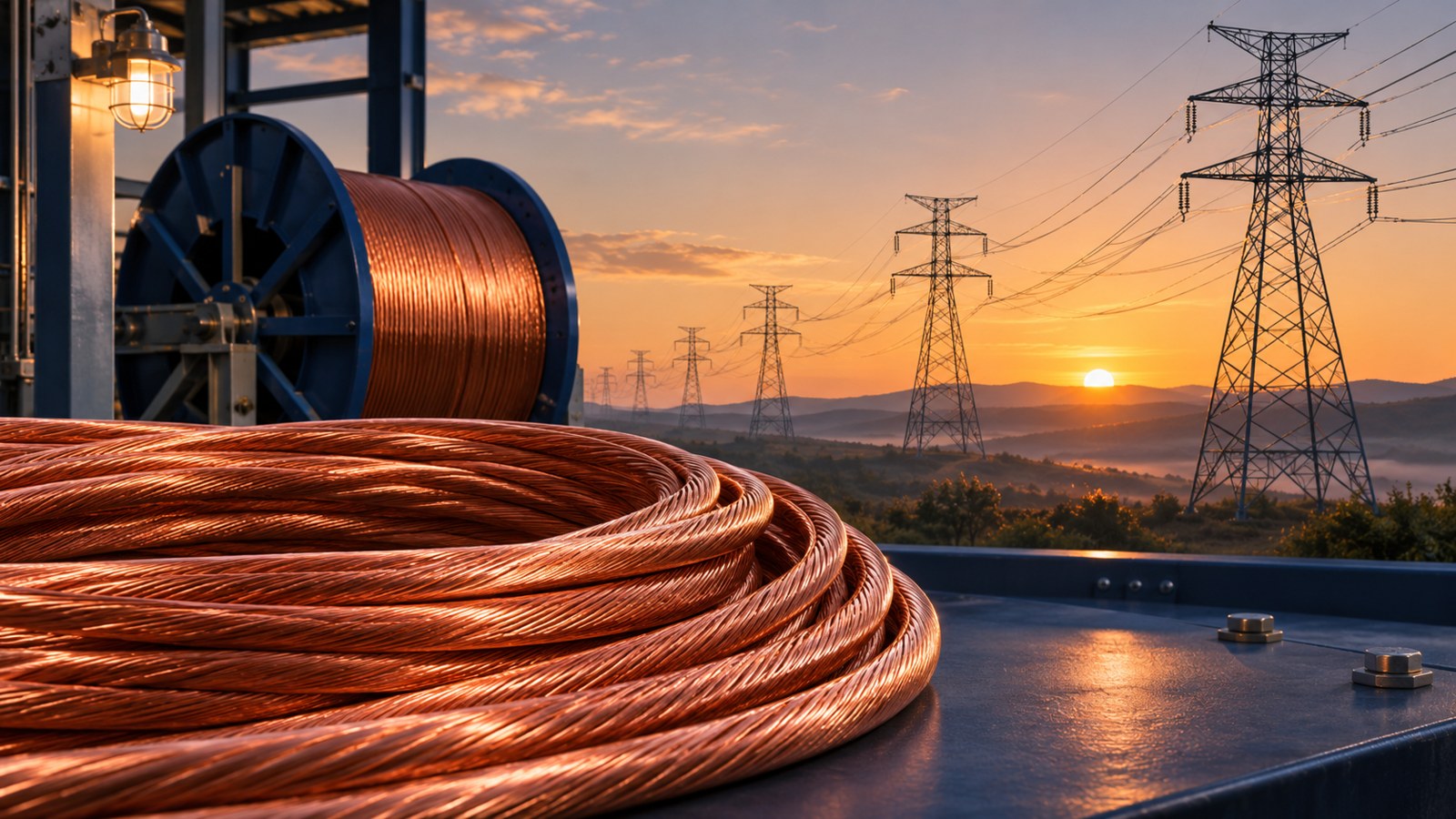
Copper remains essential to electricity grid expansion. The World Energy Outlook 2026 reinforces the investment case, but copper stocks depend on more than metal demand: what matters is whether a company mines ore, processes concentrate or sells cables—and turns that business into free cash flow.
As of November 24, 2026. Long-term scenarios are not short-term price forecasts.
Why copper and grid investment belong together in 2026
Published on November 19, the World Energy Outlook 2026 highlights an unglamorous prerequisite for electrification: power lines. The International Energy Agency estimates that the world needs at least 25 million kilometres of new electricity lines over the next ten years. Another 15 million kilometres of existing lines need replacing or upgrading.
This is not just about data centres. Electric motors, air conditioning, electric vehicles and connections for new power generation also require capable grids. For investors, the broader story matters more than the next fashionable application: several demand drivers depend on infrastructure that takes time to build.
However, kilometres of power lines cannot be converted into a precise copper requirement. Voltage levels, construction methods and materials vary. Aluminium, for example, can serve certain applications. Assuming identical copper demand for every kilometre mistakes an infrastructure plan for a shopping list.
What the projected copper supply gap means
The Global Critical Minerals Outlook 2026 puts the potential copper supply gap in 2035 at 25%. This is the difference between projected demand and expected supply based on the project pipeline—not metal already missing today.
New projects, more recycling, substitution or weaker demand could change that gap. Indeed, the projection has narrowed from around 30% in the previous year's outlook as projects advance, particularly in the Democratic Republic of the Congo and Zambia.
The finding supports a long-term scarcity thesis, not a guaranteed direction for prices over the coming weeks. A weaker industrial cycle could weigh on copper prices while grid expansion remains necessary. Both can be true.
Copper stocks: miners and smelters earn differently
For a miner, the basic equation is the difference between realised selling prices and production costs. Higher metal prices can widen that spread. Rising energy, chemical and labour costs—or declining ore grades—can reduce the benefit.
A smelter has a different model. It processes concentrate in exchange for treatment charges, with by-products potentially providing additional revenue. When concentrate is scarce and processing capacity plentiful, those charges can come under pressure even when refined copper is expensive.
The 2026 minerals outlook illustrates this distinction: annual benchmark copper smelting treatment charges were agreed at zero US dollars per tonne for 2026, while spot treatment charges have been negative since 2024. That does not mean every smelter generates no revenue. It means an important revenue component can disappear, increasing the importance of by-products and other contract terms.
“Copper is needed” therefore tells investors little about which part of the value chain can earn better margins.
Cable makers and grid suppliers: different exposure, different risks
Cable and equipment manufacturers offer another route into grid investment. Order intake, project execution and contract terms matter more here than the highest possible copper price.
If a company passes material costs through to customers, rising metal prices do not automatically create additional profit. Revenue can grow simply because raw materials cost more. Higher volumes, a better product mix and stable margins after material effects are more useful signs of operational progress.
Expensive copper also ties up cash in inventories and receivables. A strong order backlog offers limited comfort if customers pay late and projects require upfront funding. Revenue growth alone can conceal a widening funding gap.
Why a low P/E ratio can mislead
Cyclical producers often look cheapest on a price-to-earnings basis when profits are unusually high. A credible valuation needs plausible earnings across different metal-price environments, not just the best quarter.
Separate assumptions for selling prices, production volumes, operating costs and capital expenditure help. Existing mines need sustaining investment. New capacity requires additional capital and can face delays involving permits, water availability or technical problems.
Long-term scarcity can still coincide with disappointing shareholder returns if a company overpays for acquisitions, borrows too heavily or overruns project budgets. Our guide to fair value and valuation methods explains why future cash available to investors matters more than one apparently cheap multiple.
Three scenarios that would change the investment case
A favourable outcome would combine steady grid expansion with disciplined supply growth. Producers could benefit from sustainable prices while equipment suppliers convert real orders into profitable revenue. Capital spending would still need to leave some operating cash flow for shareholders.
A mixed outcome would pair resilient long-term demand with short-term industrial weakness. Metal prices and share prices could fall without disproving the infrastructure thesis. Liquidity and low costs would matter more than ambitious expansion plans.
An unfavourable outcome would combine customer project delays, rising mining costs and already expensive stocks. More recycling, faster supply additions or material substitution could further limit the expected scarcity premium.
A practical checklist for copper investments
Before assessing a stock or fund, work through these questions:
- Identify the business model: mining, processing, equipment or a diversified group?
- Examine volumes and costs separately, rather than focusing only on revenue and copper prices.
- Distinguish sustaining investment from growth projects and check free cash flow.
- Review net debt, repayment dates and potential share issuance under a weaker-cycle scenario.
- For an ETF, check whether it holds mining shares or commodity contracts. These carry different risks; the fund name is no substitute for inspecting its holdings.
The SmartDeer perspective
The new energy outlook reinforces electricity grids as a long-term investment theme. But the useful question is not simply whether copper is needed. It is which business model can turn that demand into cash for shareholders—and at what purchase price.
A supply gap is a scenario, not a promise of investment returns. Separating mining, processing and equipment businesses helps distinguish genuine operating opportunities from the same copper story attached to different stocks.
This article is for informational purposes and general market commentary only. It does not constitute investment advice.
Not investment advice. Independently verify information and assumptions.